

Our pick: Best Overall · Hardwood
Hamer’s Hot Ones
Hardwood · 3.4 out of 5 from 46 owner ratings (16 written)
Read the Hamer’s Hot Ones review2026 picks
By Rob Anderson · Updated October 2026
Hamer’s Hot Ones is our best overall and hardwood pick for 2026. Matra is the highest owner-rated softwood that met our rules. CleanFire Ultra Douglas Fir is my personal softwood pick.
No pellet works best in every stove. Use these as a starting point, and burn a few bags in your own stove before you buy a ton.
Disclosure: WoodPellets.com advertises on this website and provides my pellets at no cost. It also sells CleanFire Ultra Douglas Fir. The Matra pellets I reviewed were also supplied at no cost. Owner-submitted ratings and my personal picks are kept separate.
Our pick: Best Overall · Hardwood
Hardwood · 3.4 out of 5 from 46 owner ratings (16 written)
Read the Hamer’s Hot Ones reviewOwner Favorite · Softwood
Softwood · 4.2 out of 5 from 22 owner ratings (17 written)
Pellets supplied for review; ranking based on site visitor ratings.
Read the Matra reviewRob’s Pick · Softwood
Softwood · 3.0 out of 5 from 34 owner ratings (1 written)
Read the CleanFire Ultra reviewOwner ratings as of October 2026, last four years only. How we picked
There are two kinds of scores here, and we never mix them.
To count for an owner award, a pellet needed:
We left a few ratings out of the math, like my own household’s ratings and duplicates. We also skipped some awards, like best blend and best value, because we don’t have enough reliable data yet. Details are in How this page works.
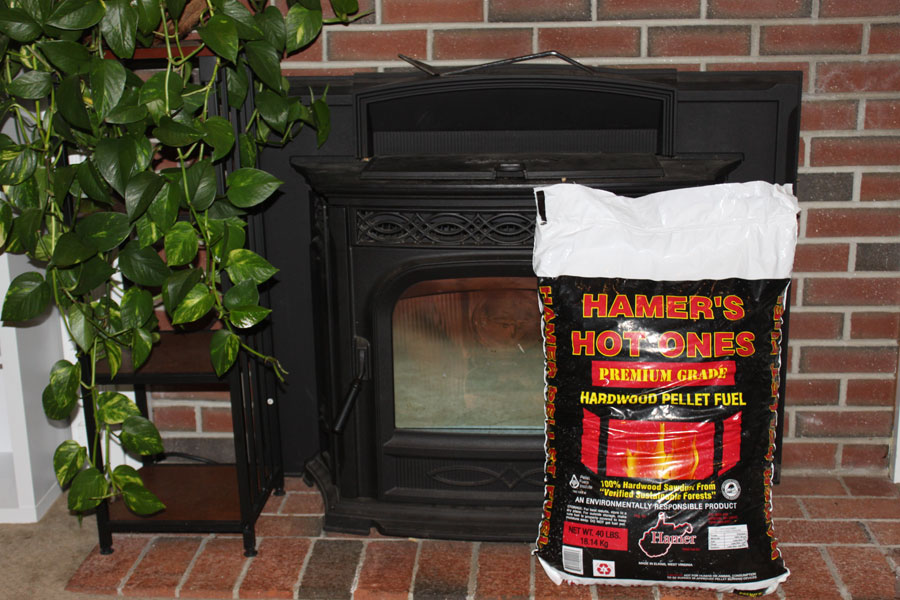
Why it’s our pick. Hamer’s did not have the highest average score among the hardwoods that met our rules. But it had one of the largest groups of recent ratings, more written feedback than most qualifying hardwoods and a strong record in my own experience. It’s one of my favorite hardwood pellets. The written reviews keep coming back to the same things: lots of heat, little ash and clean glass.
What owners complain about:
What the maker says: Hamer says its pellets are 100% hardwood, come in 40-pound bags, and are tested every fifth ton to meet Premium grade limits. Hamer doesn’t publish a BTU number or a measured ash number. Source: Hamer Pellet Fuel
Where it’s sold: Through retailers, mainly in the Mid-Atlantic and Northeast. We last confirmed it’s still made in August 2026.
Disclosure: The Matra pellets I reviewed were mailed to me at no cost. Matra’s Owner Favorite award is based on ratings submitted by site visitors, not on my personal rating.
Why it won. It has the highest owner rating of any softwood that met all of our rules. Owners keep mentioning high heat, very little ash, clean glass and long stretches between cleanings.
What owners complain about:
We’re not listing heat or ash numbers for Matra because we couldn’t verify them with the maker.
Where it’s sold: We haven’t confirmed where Matra is sold near you. Ask your local dealer. Find a dealer near you
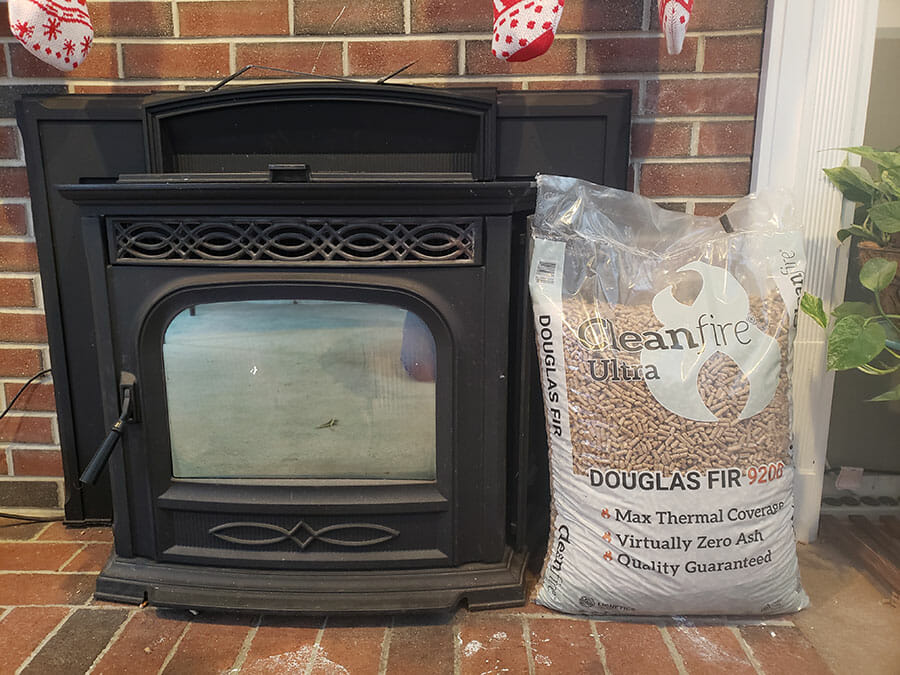
This is my pick, not an owner award.
Why I picked it. When I get the air and feed dialed in, these pellets burn long and hot. They aren’t cheap, but they have always been one of my favorite softwood pellets.
Disclosure: WoodPellets.com advertises on this website and provides my pellets at no cost. It also sells CleanFire Ultra Douglas Fir. This is still my honest opinion of how these pellets burn in my stove.
What owners say: Owners are more mixed than I am. Most recent ratings are quick star votes with no comment. The one written review in the last four years (December 2025) was negative. That owner reported:
That’s why my pick and the owner numbers sit side by side.
Specs: We couldn’t find a current spec sheet from the maker or seller, so we’re not listing heat or ash numbers.
Where it’s sold: WoodPellets.com lists it for home delivery in parts of Massachusetts (checked October 2026).
New to pellets?
Go through these in order the first time. Check off a step and it stays checked on this device, so you can come back later.
Step 1 of 5
Your manual tells you what fuel your stove was built for. Some just say “premium grade.” Some list an ash limit or a pellet length.
Tip
Some stoves have a fuel or feed setting. Your manual will tell you if yours does and how to use it.
Step 2 of 5
All three can be good, and all three can be bad. How clean, dry and well-made the pellets are matters more than the kind of wood.
Tip
The ash number on the bag tells you more than the word “hardwood” or “softwood.”
Step 3 of 5
The bag tells you how the pellets were made. Owner reviews tell you how they burned in real stoves. Use both.
Tip
Look at the bottom of the bag. A lot of loose sawdust means fines, and fines can clog an auger.
Step 4 of 5
A ton is 50 forty-pound bags. Burn a few bags first, in your stove, on the setting you normally use.
Tip
Some dealers have early-season or off-season prices. Ask yours.
Step 5 of 5
Empty the ash pan, then burn a full bag on your normal setting. Then look at what’s left.
Tip
When you’re done, leave a rating on the review page. It helps the next person.
You’ll hear a lot of rules about this. Most of them are too simple.
Read more: Best softwood pellets · Best hardwood pellets · Blended pellets worth a look
Reading the bag
| On the bag | What to look for |
|---|---|
| Ash | 1% or less for PFI Premium. Lower means less to empty. |
| Moisture | 8% or less for PFI Premium. Wet pellets waste heat drying out. |
| Fines (sawdust) | PFI Premium allows 0.5% or less when the pellets leave the mill. Rough handling can add more later. |
| Length | PFI allows no more than 1% (by weight) of pellets longer than 1.5 inches. Long pellets can jam some augers. |
| Durability | PFI Premium needs a durability score of 96.5 or higher. Tougher pellets break into less dust. |
| Heat (BTU per pound) | PFI Premium requires at least 7,800 BTU per pound as received. Some bags show a higher dry-basis number, so check the measurement basis before comparing brands. |
| PFI Quality Mark | It means the maker is in the Pellet Fuels Institute’s program, which includes outside testing. The word “premium” alone doesn’t mean that. |
Limits are from the Pellet Fuels Institute’s standard, not our own measurements. Source: PFI Standard Specifications for Residential/Commercial Densified Fuel, Table 1 (October 4, 2022)
A pallet is a big bet on one brand. Burn a few bags first, on your normal setting. Don’t mix brands in the hopper while you test, or you won’t know which one caused a problem. Keep a bag tag so you have the lot number if quality changes later.
Before you blame the pellets
A dirty or badly set stove can make good pellets look bad. Bad batches happen too. Owners here have reported sawdust-filled bags and extra-long pellets. Check the stove first, so you know which problem you have.
If the stove is clean and set right and the pellets still make clinkers, blacken the glass fast or jam the auger, the pellets may be the problem. Leave a review so other owners know.
Start with the cleaning guide, or our troubleshooting page if the pellets still burn badly.
Neither one wins every time. A clean, dry, well-made pellet of either type can burn hot with little ash. See Hardwood vs. softwood.
A US ton is 2,000 pounds, which is 50 forty-pound bags. Pallets don’t always hold exactly one ton, so ask before you buy.
It’s the top grade in the Pellet Fuels Institute’s standard. Premium pellets have 1% ash or less, 8% moisture or less, at least 7,800 BTU per pound as received, and limits on fines, length, durability and density. Look for the PFI Quality Mark on the bag. The word “premium” by itself doesn’t mean the pellets were tested.
Off the ground, dry and covered, with the bags sealed until you use them (EPA Burn Wise). Pellets that soak up moisture can swell and crumble into sawdust.
Our owners don’t hold back. Over the years, quick star votes on this site have averaged close to 3 out of 5, so a score in the mid-3s is a good result here.
Mills change owners and wood sources, so a great pellet one year can slip the next. Older lists are here for reference.
Older lists
Updated: October 2026, by Rob Anderson.
Owner ratings. Ratings are submitted by site visitors who report using the pellets. They aren’t verified purchases. We counted ratings from October 2022 to October 2026. To count for an owner award, a pellet needed at least 10 ratings, at least 5 written reviews and at least one rating in the past 12 months.
What we left out of the math. We didn’t delete any of these. They’re still on the review pages, but they don’t count toward the numbers on this page:
Why review pages may differ. Review pages show a saved average. The numbers here were figured fresh in October 2026, so they may differ a little until we update the saved numbers.
My picks. My picks are my opinion, and they’re labeled that way. Older editorial scores from our previous review system aren’t shown here because they aren’t dated.
Specs. Heat, ash and moisture numbers come from makers, sellers or the Pellet Fuels Institute standard, and we name the source. We don’t run lab tests.
Awards we skipped. There’s no best blend, lowest-ash pellet, best value or most widely available pellet this year. We don’t have tested ash numbers for most brands. We don’t track prices or store stock closely enough. And our pellet-type information isn’t solid enough to crown a blend. We’ll add those awards when we can back them up.
Disclosure: Rankings on Wood Pellet Reviews are not sold. WoodPellets.com advertises on this website and provides my pellets at no cost. The Matra pellets I reviewed were also mailed to me at no cost. Over the years, some pellet mills have mailed pellets to me at no cost for review. I no longer have complete records for every older review. Supplied pellets never guarantee a positive review. Owner-submitted ratings and my personal picks are kept separate. This site displays advertising, and WoodPelletPrice.com is our sister site.
Every pellet we’ve reviewed, with owner ratings and written reviews.

We just launched WoodPelletPrice.com — a community-powered way to find and report local wood pellet prices.
Know what pellets cost near you? Add a price and help other pellet burners find the best deals.
When you are done researching and leaving your reviews, go visit the new site